Website architecture
Page hierarchy, navigation, content relationships, and key user paths are clarified before visual decisions are carried too far.
Cubehawk brings WordPress redesign expertise together with information architecture, UI/UX, responsive design, implementation, and the technical context around launch.
The objective is not only to make the website look different. It is a clearer digital system built around the business, its content, and the work the site needs to support.
The visible interface may be the clearest symptom. The useful scope often includes the structure, content, administration, and technical connections underneath it.
The website no longer reflects the business, its services, or the standard of its work.
Navigation and content have grown without a clear information structure.
Important actions are difficult to find, especially on smaller screens.
The visual layer has changed over time while the WordPress implementation underneath has become harder to carry.
Forms, email, plugins, integrations, security, or routine updates need more deliberate technical attention.
These are practical areas Cubehawk can cover. The final combination follows the current website and agreed project scope; not every engagement requires every item.
A redesign becomes useful when the visible interface and the working system underneath it are resolved together.
Page hierarchy, navigation, content relationships, and key user paths are clarified before visual decisions are carried too far.
Core page types are designed around real content, clear actions, and behavior across desktop, tablet, and mobile.
Approved design direction is translated into a maintainable WordPress system suited to the content and functionality in scope.
Existing pages, useful content, and URL requirements are reviewed so migration decisions are deliberate rather than assumed.
Contact paths, email delivery, plugins, and relevant external connections can be included where the project requires them.
Responsive behavior, content placement, technical connections, and agreed launch checks are brought together before release.
Maintenance, security attention, optimization, and continued design or development can remain connected after launch when useful.
The existing website gives the project a starting point. The process turns that context into connected decisions rather than treating design and WordPress implementation as separate handoffs.
Understand the current website.
Review the existing structure, content, user paths, technical context, and the business changes the redesign needs to support.
Make the new system visible.
Establish page structure, responsive interface direction, typography, components, and the decisions needed before implementation.
Carry the decisions into WordPress.
Develop the approved direction, connect the required content and functionality, and prepare the site for practical administration.
Keep useful context after launch.
Where the relationship continues, support can cover maintenance, security, technical changes, and further design or content needs.
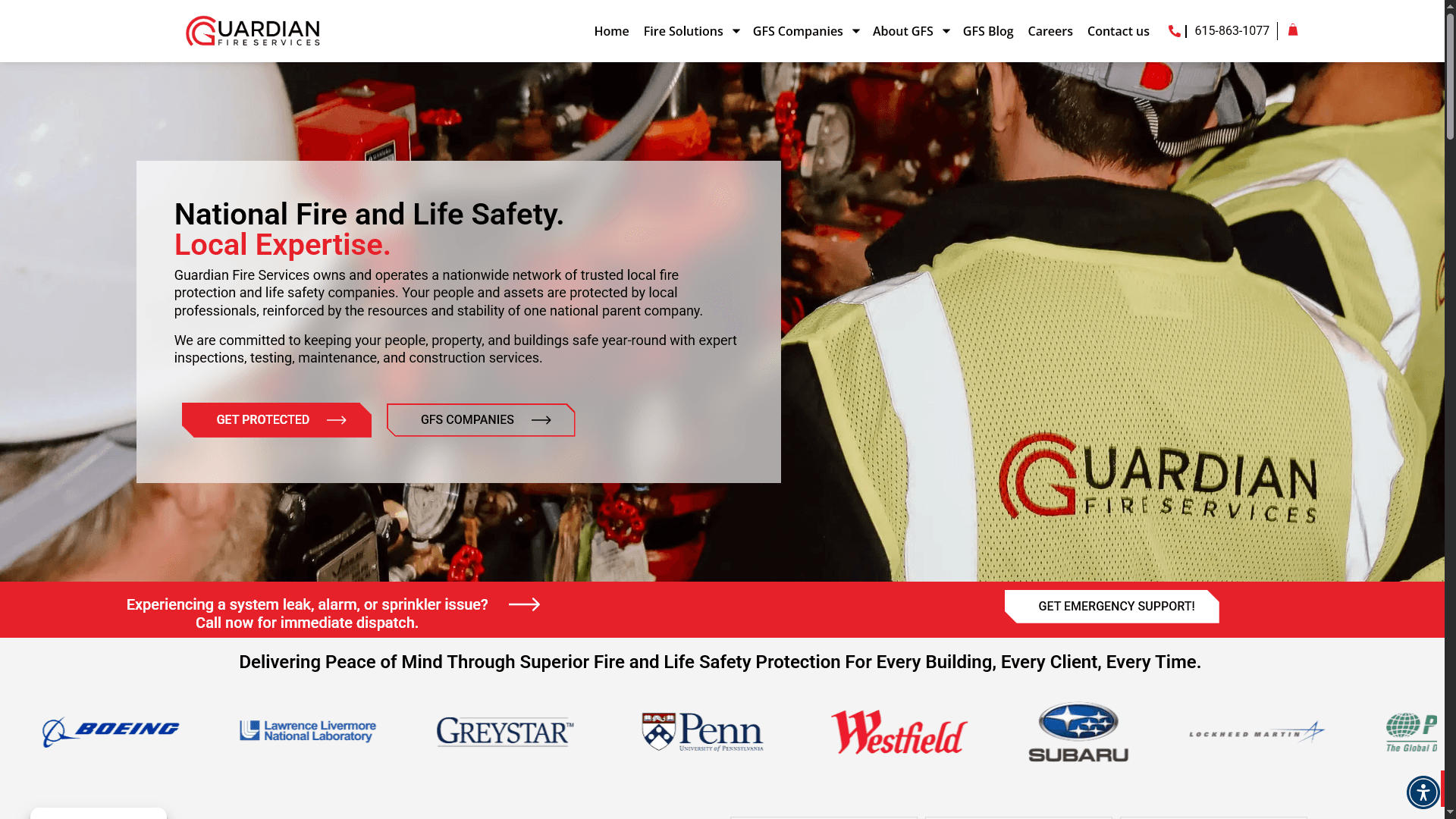
Guardian shows the deepest relationship. Premier, Northeast, B-Tech, and Abe's show the capability repeated across different scopes without claiming identical outcomes.
Figma / UX / WordPress architecture / development / ongoing support
A relationship that began with Figma and UX, then grew into a 50+ page WordPress website with structured data, continued design and development, maintenance, and security support.
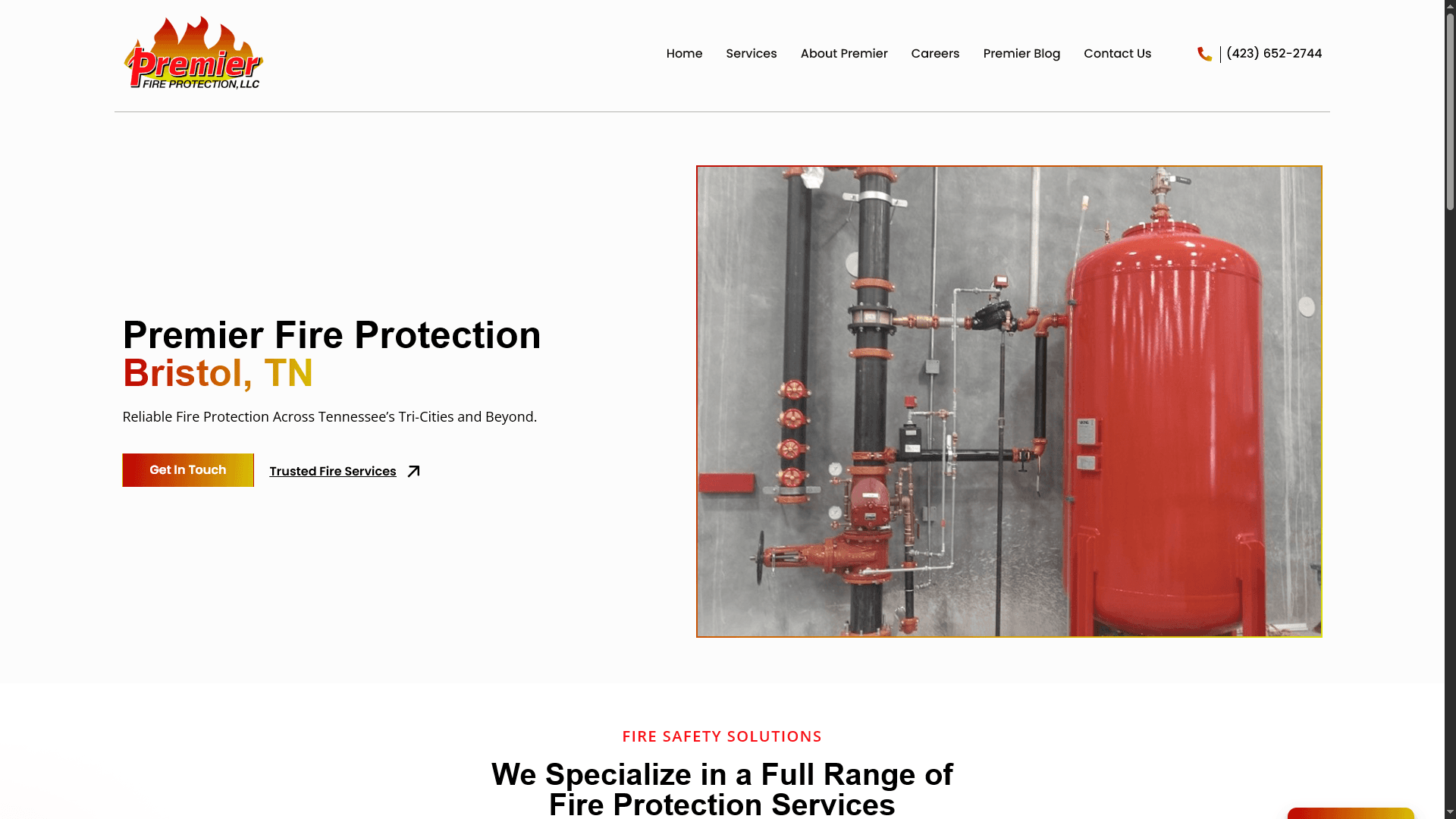
Figma redesign / WordPress rebuild / technical support
Cubehawk redesigned the website in Figma, rebuilt it in WordPress, and remained involved in related technical and support work.

Figma redesign / WordPress rebuild / technical recovery
Cubehawk carried the website from Figma redesign into a WordPress rebuild, then supported hosting setup, malware recovery, indexing fixes, structured data, and continued changes.

Figma redesign / WordPress rebuild / technical support
Cubehawk redesigned the website in Figma and rebuilt it in WordPress, including structured data, email configuration, security work, and continued technical changes.
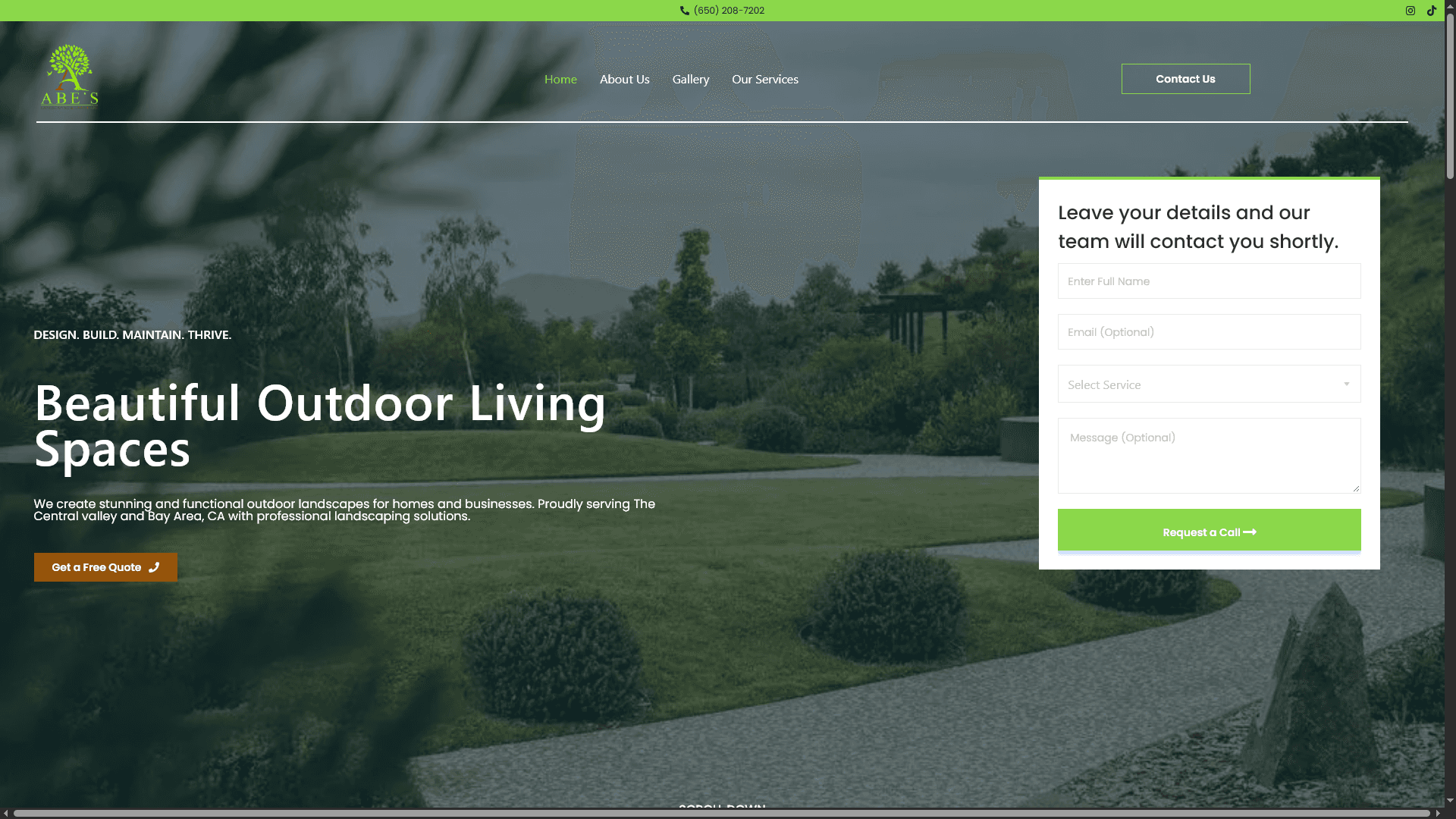
Figma / WordPress
A focused standalone project designed in Figma and implemented as a WordPress website.
Content migration, URL handling, integrations, administration, hosting context, and support after launch can materially change a redesign. They belong in the early project conversation.
The existing installation, content, administration, plugins, integrations, hosting context, and known issues establish what can reasonably stay and what needs to change.
A current website URL, business priorities, known problems, useful brand or content assets, and access to the relevant decision makers give the project a practical starting point.
Content, URL requirements, technical connections, responsibilities, and agreed checks are mapped before release so the changeover is planned around the actual scope.
The engagement can conclude with an agreed handover or continue into maintenance, security attention, optimization, and further design or development support.
Not automatically. A redesign changes how the website is structured, understood, and used. After reviewing the current installation, the implementation may retain a reliable foundation, replace specific parts, or require a fuller rebuild. That decision should follow the condition of the existing site rather than the word redesign alone.
Yes. The useful starting point is the current website, its content, administration needs, plugins, integrations, and known technical issues. The resulting scope depends on what can be retained safely and what needs to change.
Existing content and URL requirements can be reviewed during definition and mapped into the redesign. Useful material does not need to be discarded simply because the interface changes. Exact migration and redirect requirements are agreed as part of the project scope.
A current website URL, the main business changes behind the redesign, known technical problems, priorities, and any useful brand or content materials are enough to begin the conversation. Administrative or hosting access is only requested when it is needed for an agreed review or implementation step.
Launch preparation can cover content placement, responsive review, required integrations, URL and redirect requirements, and the responsibilities around release. The exact changeover plan depends on the existing website, hosting context, and approved scope; disruption should not be addressed through a generic promise.
Ongoing maintenance, security attention, optimization, and design or development support can continue where appropriate. The exact arrangement is discussed separately rather than assumed to be included in every redesign.
Interface direction and responsive design before implementation deepens.
ExploreResponsive implementation for projects that extend beyond a WordPress redesign.
ExploreContinued attention for websites that need to remain secure, useful, and current.
ExploreA more specific WordPress starting point for automotive businesses.
ExploreIf something interrupts
Your details stay in place so you can try again.
Review any highlighted field, then resubmit when you are ready.